Gravel Pumping: Efficient Removal of Heavy
Sediment to Restore Lake Depth and Flow

Gravel and heavy sediment accumulation can significantly impact the depth, flow, and overall performance of lakes and ponds. Over time, this buildup restricts water movement, reduces capacity, and can strain surrounding infrastructure. Gravel pumping is an efficient solution for removing gravel and heavy sediment to restore proper lake depth and natural water flow.

What Is Gravel Pumping?

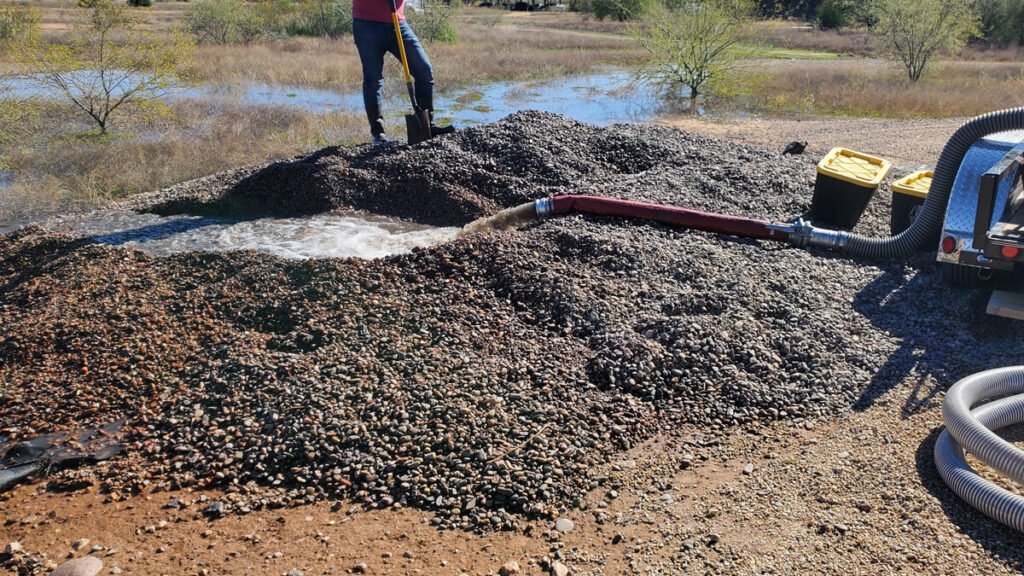
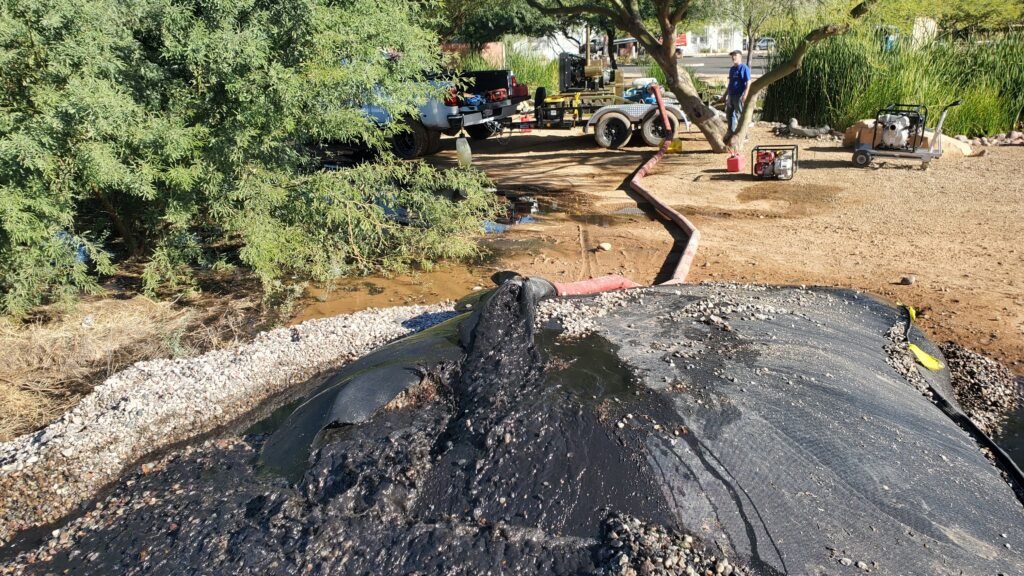
Gravel pumping is a specialized sediment removal process designed to handle dense materials such as gravel, sand, and compacted sediment. Using high-capacity pumping equipment, heavy materials are extracted from the lake or pond bottom and safely transported for disposal or reuse.

Why Gravel Pumping Is Important

Heavy sediment buildup can lead to several challenges, including:
  • Reduced water depth and storage capacity
  • Restricted water flow and circulation
  • Increased wear on pumps and intake systems
  • Higher risk of flooding or erosion
Gravel pumping addresses these issues by removing compacted material that standard dredging methods may not efficiently handle.

Benefits of Gravel Pumping

Restores Proper Depth and Flow

Removing gravel and heavy sediment improves circulation and restores natural water movement.

Protects Infrastructure

Clearing heavy material helps prevent damage to pumps, intakes, and channels.

Efficient and Targeted Removal

High-powered pumps are designed to handle dense sediment effectively.

Minimal Disruption

The process is efficient, reducing downtime and environmental impact.

Supporting Long-Term Waterbody Performance

Regular gravel pumping helps maintain proper depth and flow, extending the life of water bodies and supporting efficient water management. When combined with routine inspections and maintenance, it provides a long-term solution for sediment control.