Hydraulic Dredging: Efficient Sediment Removal to Restore Lake and Pond Health
Over time, lakes and ponds naturally collect sediment, sludge, and organic debris. This buildup reduces water depth, restricts flow, and negatively impacts overall water quality. Hydraulic dredging is an efficient and environmentally responsible solution for removing sediment and sludge to restore your lake or pond’s depth and long-term health.
What Is Hydraulic Dredging?
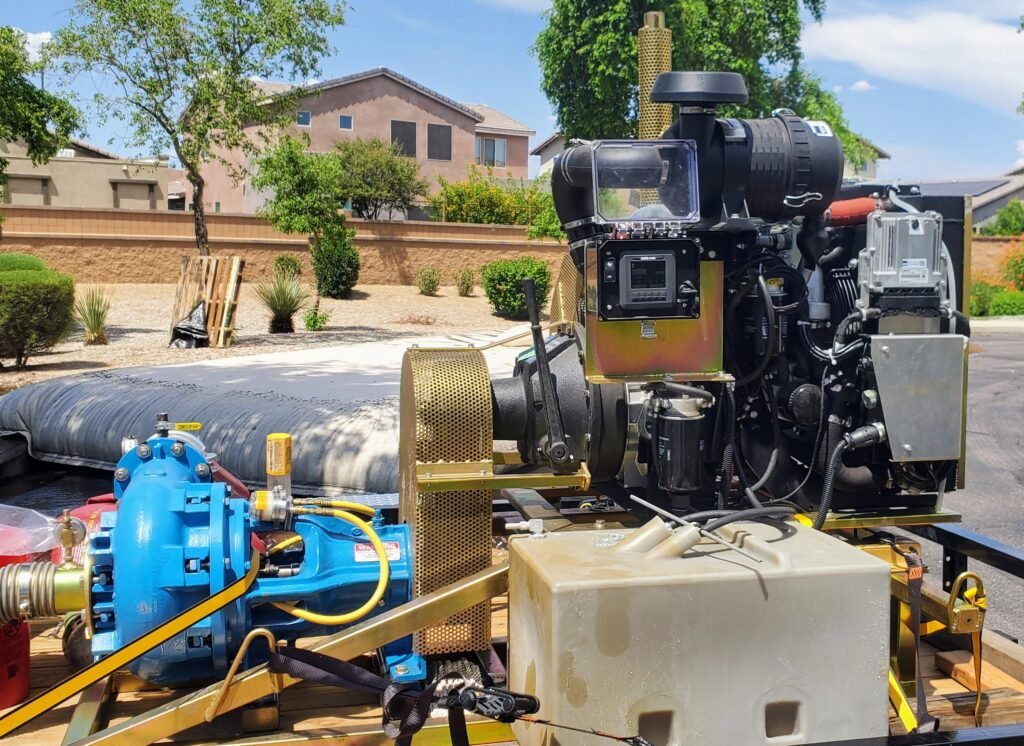
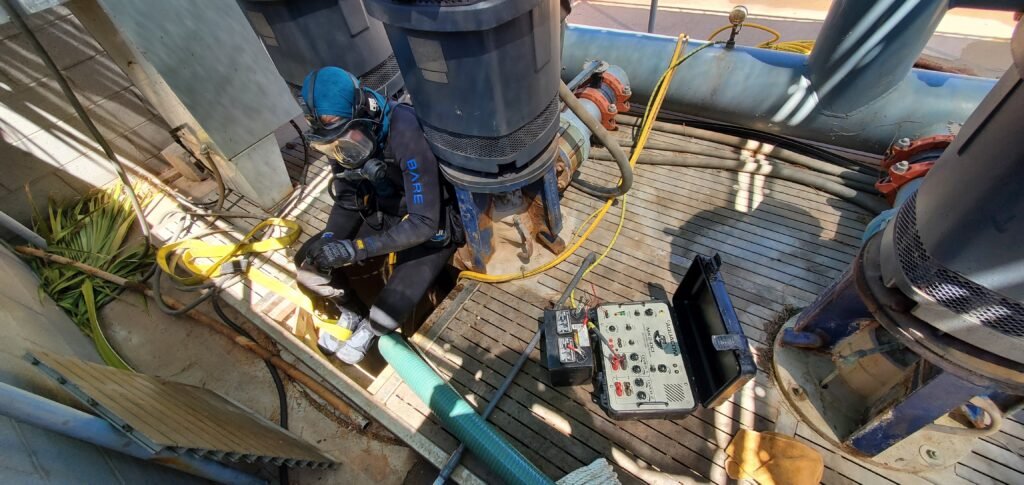
Hydraulic dredging is a process that uses specialized pumping equipment to loosen and remove sediment from the bottom of lakes and ponds. The material is transported as a slurry through pipelines to a designated disposal or dewatering area. This method allows for precise sediment removal while minimizing disruption to the surrounding environment.
Why Sediment and Sludge Removal Is Important
Excess sediment accumulation can lead to several issues, including:
Reduced lake or pond depth
Poor water circulation and clarity
Increased algae and weed growth
Unpleasant odors caused by organic decay
Loss of aquatic habitat
Hydraulic dredging addresses these problems by removing unwanted material and restoring proper depth and balance.
Benefits of Hydraulic Dredging
Efficient Sediment Removal
Hydraulic dredging targets accumulated sediment and sludge quickly and accurately, making it ideal for large and small water bodies alike.
Minimal Environmental Impact
Compared to mechanical dredging, hydraulic dredging creates less disturbance to aquatic life and shoreline areas.
Restores Depth and Water Capacity
Removing built-up sediment increases storage capacity and improves water flow and circulation.
Improves Water Quality
By reducing nutrient-rich sludge, hydraulic dredging helps control algae growth and enhances oxygen levels.
A Long-Term Solution for Water Body Maintenance
Regular hydraulic dredging can extend the lifespan of lakes and ponds while reducing the need for costly restoration projects. When combined with aeration and nutrient management, it supports a healthier and more sustainable aquatic ecosystem.